K&L Laredo Concrete ConstructionK&L Laredo Concrete Construction

Concrete driveway building in Laredo TX - a slab that carries your cars evenly

Cracked, sinking or puddling driveway? We dig out, pack the base and pour a new slab graded so water runs away from your house.

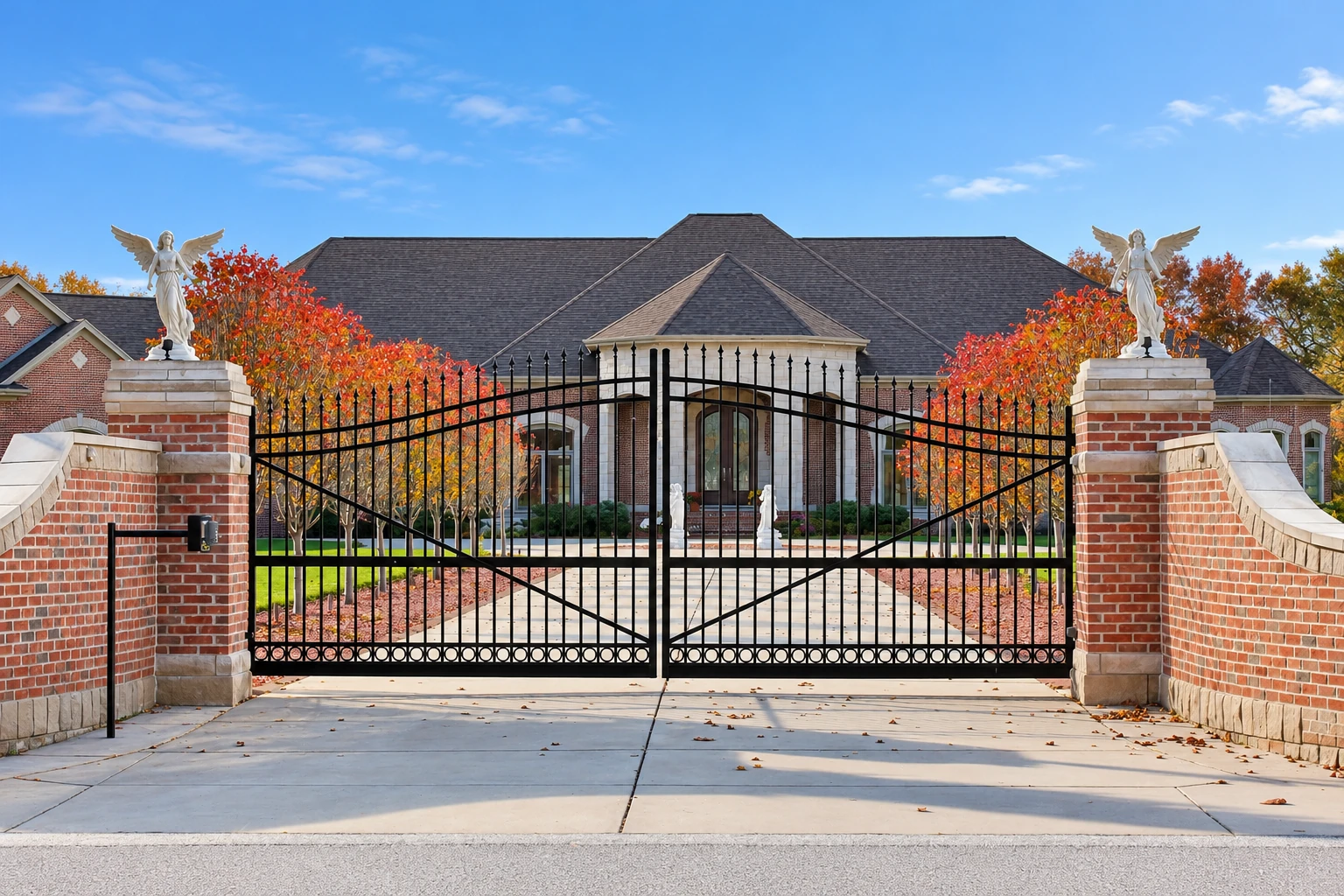
A concrete driveway leads to a brick house behind a black metal gate and brick pillars topped with statues.

Concrete driveway building in Laredo, TX, with K&L Laredo Concrete Construction means we clear out the soft ground, pack a firm base, grade it so water runs off, then pour, finish and cure a slab sized for what you park on it.

What goes into building a concrete driveway in Laredo?

Most calls start with a driveway that's cracked, sunk at a corner or holding water by the garage. Usually the concrete itself isn't the root problem. The ground under it was raked flat instead of dug out and packed, so it settled and took the slab with it. A new driveway only fixes that if we start below the surface, and that's where most of our effort goes.

Price comes down to the size, whether an old driveway comes out first, how much ground work the site needs, and how thick and reinforced the slab must be for your vehicles. The schedule turns on base prep, the weather on pour day and curing, the wait while concrete hardens before it takes a car. Your written estimate lays it all out, and when the job needs a permit, we pull it with the city.

What decides whether a driveway holds up

Most of what makes a driveway last is done before the concrete truck shows up, and you won't see it once the slab is down. These are the parts I check first.

The ground under the slab

The subgrade, the dirt the slab sits on, is where most driveway trouble starts. We dig out roots, topsoil and soft spots, bring in fill where it's needed and pack it down, because concrete over loose dirt sinks wherever the dirt does. A good finish can't make up for a weak base.

Where the water runs

Before we set forms, I look at where rain comes off the roof and where it heads from there. The slab gets a slight fall away from the garage and the house, because water that sits at the garage door or soaks in along an edge softens the ground and undoes the base work.

Control joints in the right spots

Concrete shrinks as it dries, and it usually cracks somewhere. Control joints are straight grooves cut into the slab so that crack follows a line we picked instead of wandering across the middle. We plan them before the pour and cut them on time, because late or skipped joints let cracks choose their own path.

What happens when you call us about a new driveway?

From your first call to the final walk, here's who does what and what you'll have in hand at each step.

  1. 1

    Call or send the form

    You call (956) 508-9209 or send the form with a short note about your driveway. We get back to you and set a time for me to come out and see it.

  2. 2

    I measure and write it up

    I come out myself, take measurements, look at the ground and the drainage, and ask what you'll park on it. You get a written estimate with each part of the work on its own line, and if the job needs a permit, we take care of it with the city.

  3. 3

    We prep, pour and finish

    Our crew digs out and packs the base, sets the forms and pours, with me on site. Then we finish the surface, cut the control joints and start the cure.

  4. 4

    Walk the finished driveway together

    Before we pack up, I walk the finished driveway with you so you can look over the joints and edges and ask about anything. Then the slab needs its curing time before it takes your vehicles.

Request an estimate

How we build a concrete driveway

Before we pour, I ask what you'll park on it. A couple of sedans and a loaded work truck aren't the same job, and the answer shapes how thick we make the slab, how much base goes under it and how we use rebar, the steel bars set inside the concrete to hold it together.

Then we grade and pack the ground so it carries weight evenly from one end to the other. A slab that sits firm in the middle and loose at an edge tends to crack along that line once heavy tires roll over it. After the pour, we keep cars off the edges until the concrete is ready, because looking done and being ready for a truck aren't the same thing.

If the budget gets tight, the base is the last place I'd cut. You can see a nice finish on day one, but you can't see the base, and that's what decides whether the driveway stays flat. Spend on the ground first. If you also want a concrete patio out back or stamped concrete up front, we can plan it on the same visit.

Broom finish

A broom finish is a plain surface dragged with a stiff broom before it sets, leaving fine ridges that give tires and shoes grip when it's wet. It's the most common driveway surface and the simplest to keep up.

Stamped or colored surface

Stamping presses a stone or brick pattern into the fresh concrete, often with color added. It costs more and needs resealing over time, so I'd only add it once the base and thickness are where they should be.

Get a written estimate for your new driveway

The estimate is free, done on site and comes with no obligation. Send the form and we'll reply within one business day to set a time for me to come out, measure and talk through what you'll park on it.

(956) 508-9209

sales@laredoconcreteconstruction.com

Laredo driveway permits and ground prep

In Laredo, permits go through the city's Building Development Services department, and the hired contractor typically pulls them. You can pull one yourself, but then the city considers you the contractor for the project. When your driveway needs a permit, we pull it as your hired contractor, so that role stays with us and not with you.

The city also requires contractors who work in Laredo to register with its office. If your driveway crosses into the city's right-of-way where it meets the street, the city authorizes registered Street Cut and Utility Contractors to do that part, and that registration calls for liability insurance, workers' comp, a performance bond and traffic control certification.

Expansive clay is common across the drier parts of Texas, and it can swell in wet seasons and settle in dry ones. A slab handles that movement better on even support, one more reason the packing matters. Most of our calls around Laredo and the cities nearby come from homeowners, along with small business owners who need a lot or a slab poured.

Why Laredo homeowners call K&L for driveways

I come out to look at every job myself, and our crew does the work with me on site, so the person who measured your driveway is there when it's poured. I learned concrete from my dad, setting forms and pulling screed boards on his jobs as a teenager, and I started K&L Laredo Concrete Construction in 2021. We've been at it five years.

We're fully licensed and insured. If I don't think the ground will hold a slab, I'll tell you so, or send you to an engineer, before I'll pour something I don't believe in. Your satisfaction, guaranteed. To get started, call (956) 508-9209 or send us the form.

Concrete patio construction

A backyard patio sits on the same kind of packed base, and planning it with the driveway lets us work out the grading for both at once.

Stamped concrete services

Stamped concrete suits a front entry or the walk to the door, where you want color and pattern on a hard, solid surface.

Where we build concrete driveways

We're based in Laredo, TX, and work in Laredo and the cities around it. If you're nearby and not sure we cover your street, give us a call and ask.

Concrete driveway questions from Laredo homeowners

How much does a concrete driveway cost in Laredo, TX?

A concrete driveway in Laredo usually costs about $5 to $10 per square foot, not counting removal of an old driveway. Replacing one costs more when the old slab has to be broken out first, and extra ground work, a thicker slab or more reinforcement push it up too. The on-site estimate gives you your own number.

What should I tell a contractor before getting a concrete driveway quote?

Tell them what will park on it, along with the driveway's rough size in square feet and whether an old driveway has to come out. Driveway guides often plan passenger-car driveways around a 4-inch slab, but heavier loads or weak support can call for a different design, and local and project requirements set the final thickness.

Does rebar stop a concrete driveway from cracking?

Not on its own. Reinforcement can help keep cracks narrow and hold the slab together after it cracks, but driveway guides treat it as an addition to even support and good joints, not a replacement for them. That's why we weigh it together with the base work, not instead of it.

Can you pour a concrete driveway in hot weather?

Yes, but heat changes the work. Fresh concrete sets faster on a hot day, gets harder to finish and is more prone to shrinkage cracks, and crews feel the pull to add water on site, which weakens the top. With good strength and curing that keeps the surface from drying out, hot-weather concrete generally lasts about as well as any other.

How long before I can drive on a new concrete driveway?

Longer than it looks. Curing starts right after finishing, and the slab keeps gaining strength well after you can walk on it, so its color or a hard surface doesn't tell you it's ready for a heavy vehicle. Edges and corners need the most protection from early traffic, and I'll tell you when it's ready for yours.

Get your driveway measured and priced

Our lines are open Monday through Sunday, 6 AM to 11 PM, so you can call (956) 508-9209 after work or on a weekend, or send the form anytime.

(956) 508-9209Request an estimate